
OSHA 29 CFR 1910.147 Hazardous Energy Control Training for Authorized and Affected Employees
Our Lockout/Tagout training courses equip employees with the knowledge needed to understand, recognize, and safely follow hazardous energy control procedures during maintenance and servicing of machinery and equipment.
Hazardous energy can injure or kill workers in seconds. Electrical, mechanical, hydraulic, pneumatic, chemical, and thermal energy must be controlled before employees service or maintain equipment. LOTO training helps your team understand what must happen before work begins, during work, and before equipment is returned to service.
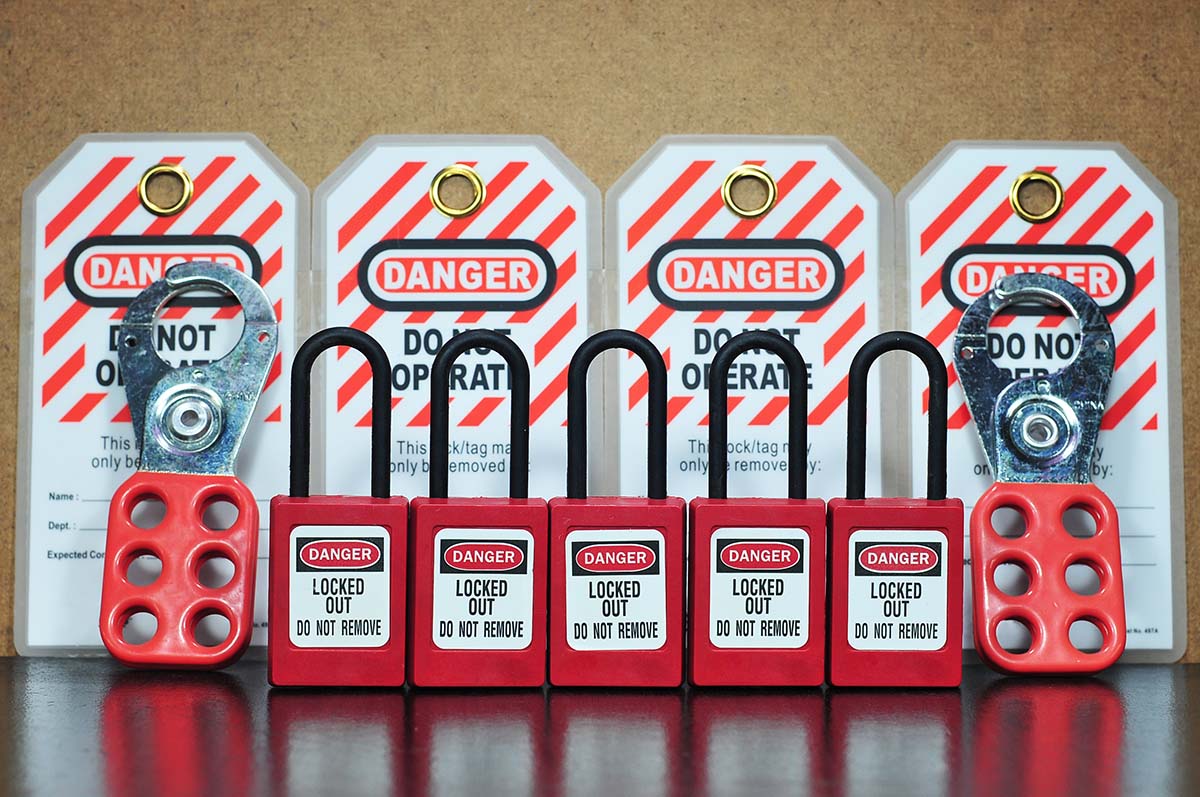
COURSE OFFERINGS
Safety Consultants USA offers the following Lockout/Tagout training courses:
- Lockout/Tagout Authorized Employee Training
- Lockout/Tagout Awareness/Affected Employee Training
Training can be provided based on employee role, job responsibilities, equipment exposure, and facility needs.
COURSE HIGHLIGHTS
LOCKOUT/TAGOUT TRAINING TAUGHT BY SAFETY PROFESSIONALS
These courses are designed to support OSHA 29 CFR 1910.147 requirements for the control of hazardous energy.
The Authorized Employee course is intended for employees responsible for performing lockout/tagout procedures during maintenance and servicing.
The Awareness/Affected Employee course is intended for employees who do not perform LOTO but work in areas where lockout/tagout procedures are used.
Topics include:
Hazardous Energy Awareness: Understand the types of hazardous energy that may be present in equipment and machinery.
OSHA Requirements: Review OSHA 29 CFR 1910.147 and the responsibilities of employers, authorized employees, and affected employees.
Energy Control Procedures: Learn how energy sources are identified, isolated, controlled, and verified.
Lockout/Tagout Devices: Understand the purpose and use of locks, tags, hasps, and other LOTO devices.
Authorized Employee Procedures: Learn how to prepare for shutdown, isolate energy, apply devices, verify isolation, and release equipment from LOTO.
Affected Employee Responsibilities: Learn how to recognize LOTO, avoid locked-out equipment, and report concerns.
Group LOTO and Special Situations: Review procedures for multiple employees, complex equipment, shift changes, and personnel changes.
Emergency and Reporting Procedures: Understand what to do when LOTO issues, emergencies, or unauthorized device removal occur.
HANDS-ON PRACTICAL TRAINING
The Authorized Employee course includes hands-on exercises to help participants apply LOTO procedures in a practical setting.
Hands-on training may include:
- Demonstration of lockout/tagout procedures
- Practice with lockout/tagout devices
- Simulated LOTO scenarios
- Energy source identification
- Isolation verification practice
- Mock equipment exercises
- Group LOTO discussion
- Review of shift-change concerns
LOCKOUT/TAGOUT AWARENESS/AFFECTED EMPLOYEE TRAINING
The 30-minute Awareness/Affected Employee course helps employees understand the purpose of lockout/tagout and how to recognize when LOTO is being used.
This course is for employees who do not perform lockout/tagout procedures but work in areas where maintenance, servicing, or energy control procedures take place.
Who Should Attend?
This course is ideal for:
- Affected employees
- Machine operators who do not perform LOTO
- Production employees
- Warehouse employees
- Facility staff
- Employees working near locked-out equipment
- Supervisors of affected workers
- Temporary employees working in LOTO areas
- Anyone who needs to understand LOTO awareness and safe behavior around locked-out equipment
Topics Include:
- Definition and purpose of lockout/tagout
- Overview of hazardous energy sources
- Importance of controlling hazardous energy during maintenance
- OSHA 29 CFR 1910.147 awareness
- Roles and responsibilities of affected employees
- Basic steps of lockout/tagout
- Recognizing LOTO equipment
- Common locks, tags, and devices
- Why employees must not tamper with LOTO devices
- Recognizing when LOTO is in place
- Avoiding locked-out equipment
- Reporting LOTO concerns to supervisors
- Emergency response awareness
- Reporting unauthorized removal of LOTO devices
- Course review and Q&A
WHO SHOULD ATTEND LOCKOUT/TAGOUT TRAINING?
Lockout/tagout training should be provided based on employee responsibility.
Authorized employees need training when they perform lockout/tagout during servicing or maintenance.
Affected employees need training when they work in areas where lockout/tagout procedures are performed but do not perform the procedures themselves.
This may include:
- Maintenance employees
- Equipment operators
- Production employees
- Supervisors
- Facility personnel
- Warehouse employees
- Mechanics
- Electricians
- Contractors
- Safety professionals
- Employees working near hazardous energy sources
WHAT YOU’LL RECEIVE
Upon successful completion of the applicable course, participants receive:
- Certificate of Completion
- Training aligned with OSHA 29 CFR 1910.147
- Understanding of hazardous energy sources
- Knowledge of authorized or affected employee responsibilities
- Awareness of proper LOTO procedures
- Practical understanding of lockout/tagout devices
- Training documentation for employer records
Authorized Employee participants also receive hands-on practice with lockout/tagout devices and simulated LOTO scenarios.
LOCKOUT/TAGOUT AUTHORIZED EMPLOYEE TRAINING
The 2-hour Authorized Employee course equips employees with the knowledge and skills needed to safely perform lockout/tagout procedures when servicing or maintaining machinery and equipment.
Who Should Attend?
This course is ideal for:
- Authorized employees who perform LOTO
- Maintenance personnel
- Machine operators who service equipment
- Mechanics
- Electricians
- Facility maintenance teams
- Industrial workers involved in equipment repair
- Supervisors overseeing servicing and maintenance work
- Safety personnel responsible for LOTO compliance
Topics Include:
- Definition and purpose of lockout/tagout
- Overview of hazardous energy sources
- OSHA 29 CFR 1910.147
- Employer and employee responsibilities
- Electrical energy
- Mechanical energy
- Hydraulic energy
- Pneumatic energy
- Chemical energy
- Thermal energy
- Energy control procedures
- Identifying and isolating energy sources
- Use of lockout devices and tags
- Real-world LOTO incident examples
- Preparing for shutdown
- Isolating energy sources
- Applying lockout/tagout devices
- Verifying isolation
- Releasing from lockout/tagout
- Group lockout/tagout
- Complex equipment and multiple energy sources
- Shift changes and personnel changes
- Hands-on LOTO device practice
- Simulated LOTO scenarios
- Written assessment
- Q&A session
WHY CHOOSE OUR TRAINING?
SAFETY THAT CONTROLS HAZARDOUS ENERGY BEFORE WORK BEGINS
Lockout/tagout protects workers during servicing and maintenance by preventing unexpected startup, release of stored energy, or accidental equipment movement.
Support OSHA Compliance: Training helps employers address OSHA 29 CFR 1910.147 requirements for hazardous energy control.
Reduce Serious Injury Risk: LOTO helps prevent crushing, electrocution, burns, amputations, struck-by injuries, and caught-between incidents.
Clarify Employee Roles: Authorized and affected employees need different training. This course separates responsibilities clearly.
Improve Maintenance Safety: Employees learn the steps to isolate, lock out, tag out, verify, and safely return equipment to service.
Prevent Tampering and Confusion: Affected employees learn how to recognize LOTO and why locked-out equipment must not be touched.
Strengthen Facility Safety Procedures: Training supports safer maintenance, repair, cleaning, setup, and servicing operations.
COURSE TOPICS INCLUDE:
LOCKOUT/TAGOUT FUNDAMENTALS
- What lockout/tagout means
- Purpose of LOTO
- Why hazardous energy must be controlled
- Difference between authorized and affected employees
- Importance of following written procedures
- Common LOTO mistakes
OSHA REGULATORY OVERVIEW
- OSHA 29 CFR 1910.147
- Employer responsibilities
- Authorized employee responsibilities
- Affected employee responsibilities
- Training expectations
- Procedure and documentation awareness
HAZARDOUS ENERGY SOURCES
- Electrical energy
- Mechanical energy
- Hydraulic energy
- Pneumatic energy
- Chemical energy
- Thermal energy
- Stored energy
- Multiple energy sources on complex equipment
ENERGY CONTROL PROCEDURES
- Preparing for shutdown
- Notifying affected employees
- Shutting down equipment
- Isolating energy sources
- Applying lockout/tagout devices
- Controlling stored energy
- Verifying isolation
- Performing the work safely
- Releasing from lockout/tagout
- Returning equipment to service
LOCKOUT/TAGOUT DEVICES
- Locks
- Tags
- Hasps
- Lock boxes
- Circuit breaker lockouts
- Valve lockouts
- Plug lockouts
- Device identification
- Importance of not removing or bypassing devices
GROUP LOCKOUT/TAGOUT
- Multiple employees are involved in LOTO
- Group lock boxes
- Communication responsibilities
- Individual employee protection
- Coordination during maintenance work
SPECIAL LOTO SITUATIONS
- Complex equipment
- Multiple energy sources
- Shift changes
- Personnel changes
- Contractors
- Temporary interruptions
- Emergency situations
- Unauthorized removal concerns
HANDS-ON PRACTICAL EXERCISES
- Applying LOTO devices
- Performing simulated lockout/tagout
- Identifying energy sources
- Verifying energy isolation
- Reviewing mock equipment scenarios
- Practicing safe release from LOTO
AFFECTED EMPLOYEE AWARENESS
- Recognizing when LOTO is in place
- Understanding locks, tags, and devices
- Staying clear of locked-out equipment
- Not attempting to restart equipment
- Not removing LOTO devices
- Reporting concerns to supervisors
EMERGENCY AND REPORTING PROCEDURES
- Responding to LOTO-related emergencies
- Reporting damaged or missing devices
- Reporting unauthorized removal
- Notifying supervisors of concerns
- Understanding when work must stop
REQUEST MORE INFORMATION TODAY!
Invest in your employees’ continuous learning and safety training with our Lockout/Tagout training.
FREQUENTLY ASKED QUESTIONS
What does LOTO stand for?
LOTO stands for Lockout/Tagout. It refers to procedures for controlling hazardous energy during the servicing and maintenance of machinery and equipment.
Is this training OSHA-compliant?
Yes. This training is designed to support OSHA 29 CFR 1910.147 requirements for the control of hazardous energy.
What is the difference between authorized and affected employees?
Authorized employees perform lockout/tagout procedures. Affected employees work in areas where LOTO is performed, but do not apply or remove lockout/tagout devices.
How long is the Authorized Employee course?
The Lockout/Tagout Authorized Employee course is 2 hours.
How long is the Awareness/Affected Employee course?
The Lockout/Tagout Awareness/Affected Employee course is 30 minutes.
Who should take Authorized Employee training?
Employees who perform servicing or maintenance and are responsible for applying lockout/tagout devices should take Authorized Employee training.
Who should take Affected Employee training?
Employees who work near equipment where LOTO is performed but do not perform the procedure themselves should take Affected Employee training.
Does the Authorized Employee course include hands-on practice?
Yes. The course includes hands-on practice with lockout/tagout devices and simulated LOTO scenarios.
What types of hazardous energy are covered?
The course covers electrical, mechanical, hydraulic, pneumatic, chemical, thermal, and stored energy.
Can affected employees remove a lock or tag?
No. Affected employees must not remove, bypass, tamper with, or attempt to restart locked-out equipment.
Does this training cover group lockout/tagout?
Yes. The Authorized Employee course covers group LOTO procedures for situations involving multiple employees.
“Hazardous energy does not care whether someone meant to start the machine. Lock it out, tag it out, verify it, then work.”
Safety Consultants USA is committed to providing high-quality safety training for general industry, manufacturing, maintenance, warehouse, and facility professionals. Our instructors bring practical knowledge to every class, helping your team control hazardous energy, protect workers, and keep servicing and maintenance work safe.