
OSHA Hearing Conservation, Noise Exposure, Audiograms, and Hearing Protection Safety Training
Our Hearing Protection Training course equips employees with the basic knowledge needed to understand workplace noise hazards, hearing conservation requirements, and the proper selection, use, and care of hearing protection.
Noise damage does not usually happen all at once. It builds over time. Once hearing is lost, it often does not come back. This training helps employees understand how workplace noise affects hearing and how proper controls, monitoring, and PPE reduce long-term risk.
COURSE HIGHLIGHTS
HEARING PROTECTION TRAINING TAUGHT BY SAFETY PROFESSIONALS
This course is designed for employees who work in environments where noise exposure may create a hearing risk. It is also useful for supervisors, safety personnel, and workforce members responsible for hearing conservation, PPE use, or workplace hazard awareness.
Topics include:
OSHA Hearing Conservation Requirements: Understand the basic OSHA requirements related to hearing conservation programs.
What Noise Is: Learn how noise is created, measured, and evaluated in the workplace.
Workplace Noise Sources: Identify common noise sources in industrial, construction, maintenance, manufacturing, and facility environments.
Noise Dosimetry: Understand how to measure and document noise exposure.
Engineering and Administrative Controls: Learn how employers can reduce noise exposure before relying on PPE.
Hearing Conservation Program: Review the major components of an effective hearing conservation program.
Audiogram Requirements: Understand the role of hearing tests in identifying changes in employee hearing over time.
PPE Hazard Assessment: Learn how hearing protection fits into the broader process of identifying workplace hazards.
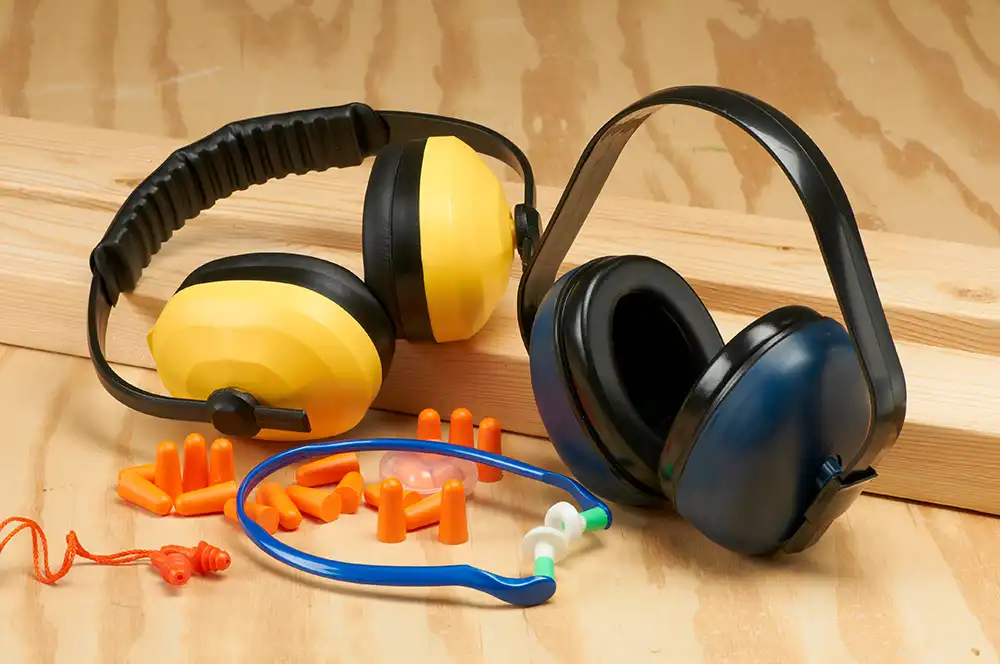
Types of Hearing Protection: Review common hearing protection options, including earplugs and earmuffs.
Proper Use and Care: Learn how to wear, maintain, store, and replace hearing protection correctly.
PRACTICAL HEARING PROTECTION TRAINING
Hearing protection only works when employees use the right protection the right way. Poor fit, inconsistent use, damaged PPE, or improper storage can reduce protection and increase risk.
This course may include:
- Review of common workplace noise hazards
- Hearing protection selection overview
- Demonstration of proper hearing protection use
- Proper insertion and fit of earplugs
- Proper use of earmuffs
- Care and storage guidance
- Discussion of when hearing protection must be replaced
- Review of employee responsibilities under a hearing conservation program
WHO SHOULD ATTEND?
This course is ideal for:
- Employees exposed to workplace noise
- Construction workers
- Manufacturing employees
- Maintenance personnel
- Warehouse and facility workers
- Equipment operators
- Supervisors overseeing noisy work areas
- Safety managers and coordinators
- Employees are required to wear hearing protection
- Workers enrolled in a hearing conservation program
- Anyone who needs basic hearing protection awareness
WHAT YOU’LL RECEIVE
Upon successful completion of the course, participants receive:
- Hearing protection training documentation
- Understanding of workplace noise hazards
- Awareness of OSHA hearing conservation requirements
- Knowledge of noise dosimetry and exposure monitoring basics
- Understanding of audiogram requirements
- Training on types of hearing protection
- Practical knowledge of how to properly use and care for hearing protection
WHY CHOOSE OUR TRAINING?
SAFETY THAT PROTECTS LONG-TERM HEARING
Hearing loss is one of the most preventable workplace injuries, but it requires awareness, controls, monitoring, and consistent use of PPE.
Protect Workers from Noise Exposure: Employees learn how workplace noise can damage hearing and why protection matters.
Support OSHA Compliance: Training helps employers address hearing conservation and PPE training expectations.
Improve PPE Use: Workers learn how to properly wear, fit, care for, and replace hearing protection.
Reduce Long-Term Health Risk: Noise-induced hearing loss can permanently affect quality of life, communication, and safety.
Strengthen Workplace Safety Culture: When employees understand the hazards, they are more likely to take protection seriously.
COURSE TOPICS INCLUDE:
OSHA HEARING CONSERVATION REQUIREMENTS
- OSHA requirements for hearing conservation programs
- Employer responsibilities
- Employee responsibilities
- Training expectations
- Hearing protection requirements
- Documentation awareness
UNDERSTANDING NOISE
- What noise is
- How noise affects hearing
- Short-term vs. long-term exposure
- Noise intensity and duration
- Why repeated exposure matters
- Warning signs of excessive noise exposure
SOURCES OF WORKPLACE NOISE
- Machinery
- Power tools
- Heavy equipment
- Manufacturing operations
- Construction activity
- Compressors and generators
- Vehicles and material handling equipment
- Facility maintenance tasks
NOISE DOSIMETRY
- What noise dosimetry is
- Why noise exposure monitoring matters
- Measuring employee noise exposure
- Understanding exposure over time
- Using monitoring data to guide controls and PPE decisions
ENGINEERING AND ADMINISTRATIVE CONTROLS
- Reducing noise at the source
- Equipment modification
- Barriers and isolation
- Maintenance and lubrication
- Job rotation
- Scheduling noisy work
- Limiting time in high-noise areas
- Using PPE as part of a broader control strategy
HEARING CONSERVATION PROGRAM
- Purpose of a hearing conservation program
- Noise monitoring
- Audiometric testing
- Hearing protection
- Employee training
- Recordkeeping
- Program review and improvement
AUDIOGRAM REQUIREMENTS
- Purpose of audiograms
- Baseline audiograms
- Annual audiograms
- Tracking hearing changes over time
- Employee notification
- Follow-up actions when changes are identified
PPE HAZARD ASSESSMENT
- Identifying hearing hazards
- Evaluating noise exposure
- Selecting proper hearing protection
- Matching PPE to the work environment
- Understanding PPE limitations
- Reviewing when hearing protection is required
TYPES OF HEARING PROTECTION
- Disposable earplugs
- Reusable earplugs
- Banded earplugs
- Earmuffs
- Electronic hearing protection
- Dual protection when needed
- Choosing the right protection for the task
HOW TO PROPERLY USE HEARING PROTECTION
- Proper earplug insertion
- Proper earmuff fit
- Checking for a secure fit
- Avoiding common mistakes
- Wearing protection consistently
- Knowing when extra protection may be needed
HOW TO PROPERLY CARE FOR HEARING PROTECTION
- Cleaning reusable hearing protection
- Storing hearing protection properly
- Inspecting for damage
- Replacing worn or dirty protection
- Avoiding contamination
- Keeping PPE accessible and ready for use
REQUEST MORE INFORMATION TODAY!
Invest in your employees’ continuous learning and safety training with our Hearing Protection training.
FREQUENTLY ASKED QUESTIONS
Who should take Hearing Protection Training?
Employees who work in noisy environments or are required to wear hearing protection should take this course. It is also useful for supervisors, safety personnel, and workers enrolled in a hearing conservation program.
Does this course cover OSHA hearing conservation requirements?
Yes. The course covers OSHA requirements for hearing conservation programs, including employee training, noise-exposure awareness, audiogram use, and hearing-protection use.
What is noise dosimetry?
Noise dosimetry is the process of measuring a worker’s noise exposure over time. It helps determine whether hearing conservation measures or hearing protection may be required.
Does the course cover audiograms?
Yes. Participants learn the purpose of audiograms, including that they are baseline and follow-up hearing tests used to track changes in hearing over time.
What types of hearing protection are covered?
The course covers common types of hearing protection, including disposable and reusable earplugs, banded earplugs, earmuffs, and other options.
Does the course teach how to use hearing protection correctly?
Yes. The course reviews proper use, fit, care, cleaning, storage, and replacement of hearing protection.
Why does hearing protection training matter?
Hearing loss can be permanent. Training helps employees understand the risk, use protection correctly, and take noise exposure seriously before damage occurs.
Does hearing protection replace engineering controls?
No. Hearing protection is important, but engineering and administrative controls should also be considered to reduce noise exposure whenever possible.
“Noise damage is quiet until it is permanent. Train your team to recognize the hazard, use protection correctly, and preserve hearing before it is too late.”
Safety Consultants USA is committed to providing high-quality safety training for general industry, construction, manufacturing, maintenance, and facility professionals. Our instructors bring practical knowledge to every class, helping your team understand noise exposure, use hearing protection properly, and reduce the risk of long-term hearing loss.