
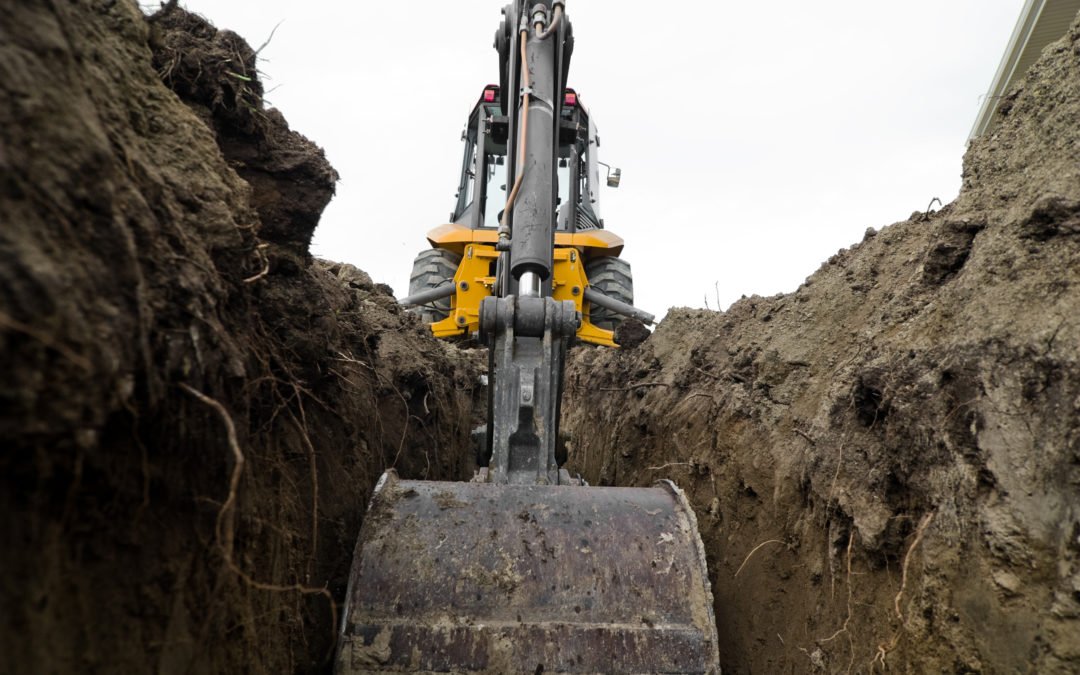
If you work in construction, you already know trenches are part of the job. What many crews don’t realize are the dangers of trenching and just how quickly a trench can turn deadly. As a safety professional, I’ve seen the same pattern repeatedly: small trenches, short-duration tasks, and a belief that “we’ll only be in there for a minute.” That mindset is exactly why trench fatalities continue to rise. The truth is simple: trench hazards are immediate, unforgiving, and almost always preventable.
Let’s look at the dangers that every competent person, supervisor, and operator needs to understand before anyone steps foot into an excavation.
Cave Ins: The Silent and Deadly
Cave ins remain the leading cause of trench fatalities, and they happen without warning. A single cubic yard of soil can weigh up to 3,000 pounds. That’s enough to crush a worker instantly. Most collapses occur in trenches less than 15 feet long, often on “quick” jobs where protective systems are skipped.
Warning signs include cracking soil, bulging trench walls, water seepage, or vibrations from nearby equipment. If you see indications of any of these warning signs, stop work immediately!
Falling Loads and Equipment
Excavators, loaders, and spoil piles introduce serious struck by hazards. A bucket swing, a shifting pile of dirt, or a dropped tool can injure workers inside the trench or destabilize the trench walls themselves.
Keeping heavy equipment back from the edge and maintaining clear communication between operators and spotters is non-negotiable.
Falls Into the Trench
Falls happen more often than people think, especially during night work, on congested sites, or when workers guide materials while walking backward. Poor situational awareness, poor barricading, and inadequate lighting turn trenches into open pits waiting for an accident.
Hazardous Atmospheres
Trenches can trap dangerous gases or lack oxygen entirely. Work near landfills, sewers, or contaminated soil increases the risk of:
- Oxygen deficiency
- Methane
- Hydrogen sulfide
- Carbon monoxide
Atmospheric testing isn’t optional when conditions suggest contamination. A trench can become a confined space faster than most crews realize. And confined spaces present their own unique hazards.
Water Accumulation and Flooding
Water is one of the most underestimated trench hazards. Rain, groundwater, broken lines, or runoff can weaken trench walls and trigger a sudden collapse. Standing water also creates drowning and entrapment risks. It only takes 1-2 inches of water to drown. If water is present, workers should not enter until proper controls are in place or the water has dissipated.
Underground Utilities
Striking utilities can lead to electrocution, gas explosions, flooding, or major service outages. Even a minor contact with an energized line can be fatal. No one likes spicy dirt.
Utility locations must be verified. Digging should proceed cautiously, especially in older urban areas where maps may be unreliable. Have a system in place to account for requested locates/calls to 811.
Mobile Equipment Strikes
Blind spots around excavators and dump trucks create crushing hazards for workers on foot. Spotters, high visibility PPE, and strict communication protocols are essential to prevent run overs and pinch point incidents.
Spoil Pile Collapse
Spoil piles placed too close to the trench edge can slide back in, burying workers or destabilizing the trench walls. OSHA requires spoil piles to be kept at least 24 inches (2 feet) back. This simple rule prevents countless incidents.
Structural Instability
Nearby structures such as sidewalks, foundations, or roadways can shift into the trench if not properly supported. Even parked equipment can add enough weight to trigger a collapse.
Environmental and Weather Hazards
Weather plays a major role in trench stability. Rain can increase soil weight. Heat can cause fatigue and dehydration for the workers working in and around the trench. Cold weather can cause cracking, which leads to instability. If you’re utilizing a protective system, be aware of how the wind may affect that system. Weather conditions change fast and so must your safety approach; know what you’re going to do in case of an emergency.
Human Factors: The Most Dangerous Hazard
Rushing, complacency, lack of training, and poor communication are behind most trench fatalities. Many incidents occur in unprotected trenches simply because someone thought the job was “too small” to justify proper safety measures.
Trenching isn’t inherently dangerous; unsafe trenching is. With proper planning, protective systems, competent person oversight, and a culture that refuses shortcuts, when trench work is performed everyone can make it home.