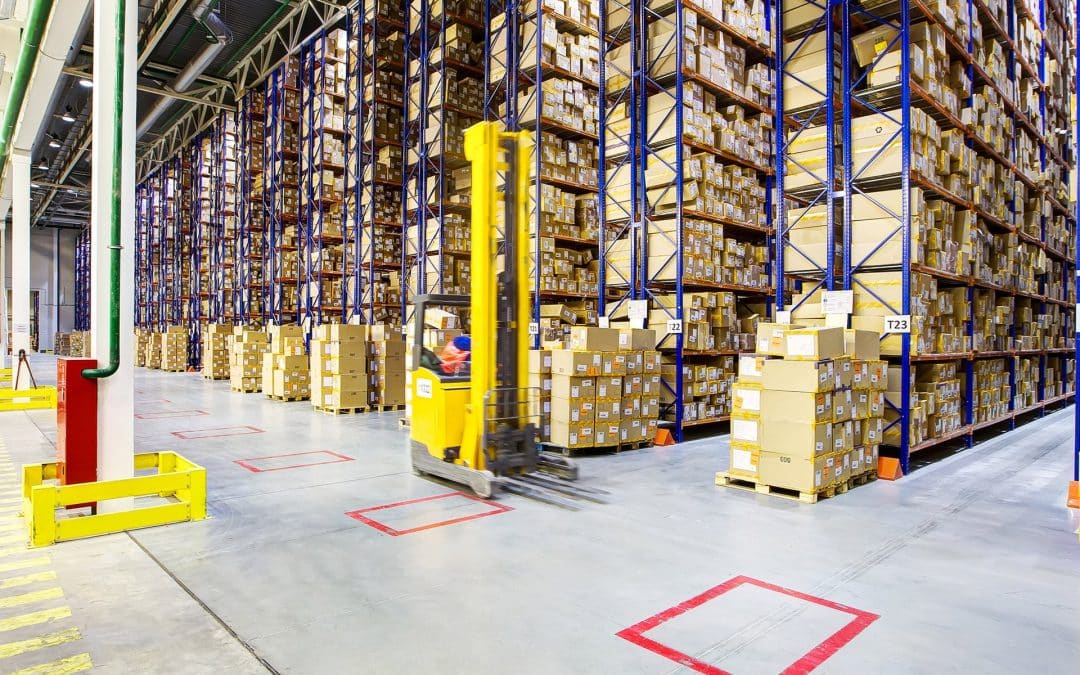
On a construction site, a forklift is only as safe as the operator who inspects it. Before any shift begins, every operator is responsible for completing a thorough pre‑operation check. This isn’t just a “best practice”, it’s an OSHA‑required step designed to prevent accidents, equipment failures, and costly downtime. With constantly changing terrain, heavy loads, and machines that work hard day after day, these inspections are one of the most important safety habits we have.
A proper daily inspection covers three major areas: visual components, fluid and power systems, and operational controls. Skipping any of these increases the risk of breakdowns, tip‑overs, fires, or struck‑by incidents.
Visual Components
Start with a slow, deliberate walkaround. You’re looking for anything cracked, bent, leaking, or worn out, all issues you can catch before they turn into failures under load.
Forks and Mast: Look for cracks, bends, or wear on the fork heel. Make sure the locking pin is secure and the mast channels are free of damage.
Tires and Wheels: Check for deep cuts, gouges, missing chunks, or low pressure on pneumatic tires. Damaged tires affect stability, steering, and stopping distance.
Chains and Hoses: Inspect lift chains for loose pins, rust, or broken links. Hydraulic hoses should be free of leaks, bulges, or abrasion.
Safety Equipment: Test the seatbelt to ensure it latches smoothly. Confirm the fire extinguisher is charged and accessible. Make sure the horn is loud and functional. If any of the safety equipment is not functional, report it immediately.
These visual checks take only a few minutes but prevent the kinds of failures that happen when a machine is under load or in motion.
Fluid and Power Systems
Next, look under the hood, under the seat, or underneath the machine — wherever your forklift’s power systems are housed.
Fluid Levels: Verify engine oil, coolant, brake fluid, and hydraulic oil are all within proper ranges. If you’re unsure what “proper range” means, the operator’s manual should always be with the machine.
Leaks: Look underneath for puddles of fuel, oil, or water. Any leak is a red flag that needs attention before operation.
Battery or Fuel Tank:
- Electric forklifts- Check that battery connectors are tight and corrosion‑free.
- Propane or gas forklifts- Make sure the tank is secure, valves are tight, and there are no signs of leaks.
A forklift with compromised fluids or fuel systems is a hazard waiting to happen — and it will fail when you need it most.
Operational Controls (should be checked with engine running)
Once the machine is started, test the systems that keep the forklift moving safely.
Brakes and Steering: Check the service brakes, parking brake, and steering response. Any stiffness, grinding, or excessive play must be reported immediately.
Lights and Alarms: Confirm headlights, warning beacons, and backup alarms are functioning. These are critical for visibility and pedestrian awareness. If anything isn’t working, report it right away.
Mast Operation: Raise, lower, and tilt the forks. Movement should be smooth and quiet — no jerking, binding, or strange noises.
This step ensures the forklift behaves the way it should once it’s under load and navigating the jobsite.
Daily inspections aren’t busy work. They’re how we prevent mechanical failures, tip‑overs, fires, and struck‑by incidents. A forklift is only as safe as the operator who checks it, and a few minutes at the start of a shift can prevent injuries and equipment damage that shut down an entire job site — costing time, money, and productivity.